Technology
Technology infrastructure of iGaming platforms: integrating game providers, APIs, payment systems and analytics tools
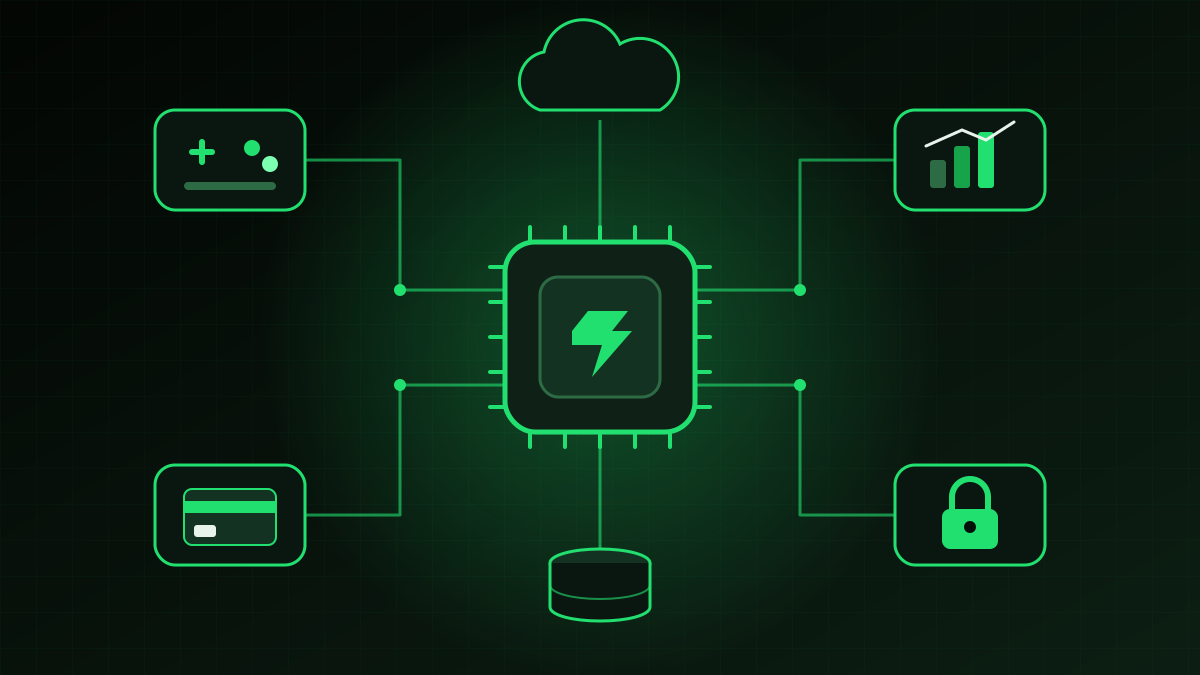
For a player, an iGaming platform is a lobby with games, a cashier and a personal account. For an operator, it is a complex distributed system in which dozens of external services must work as one: game providers, payment gateways, verification services, anti-fraud, CRM and analytics. The quality of this infrastructure determines how fast an operator can enter new markets, how stable its payouts are and how well it meets regulatory requirements.
The platform core: PAM
The central element is the Player Account Management (PAM) system. It stores profiles, balances and transaction history, manages bonuses and limits, implements responsible gaming tools and produces reporting for the regulator. PAM is the “source of truth” about player money, so it is subject to the strictest requirements for data integrity, auditing and fault tolerance.
Integrating game providers
Game content runs on the provider’s servers (RGS — remote game server), while the operator’s platform only “launches” the game and records the bets. There are two main approaches to integration:
- Direct integration with each provider — maximum control and better commercial terms, but significant development and maintenance costs.
- An aggregator — a single integration unlocks hundreds of studios and thousands of games. It speeds up launch but adds another link to the chain and a commission.
Most mature operators combine both: direct integrations with key providers and an aggregator for the “long tail” of the portfolio.
APIs and the wallet model
Interaction with providers is built on APIs. In the seamless wallet model, money stays on the operator’s balance, and the game sends a debit or credit request for every bet and win. In the transfer wallet model, funds are moved to a separate balance at the provider before play. The seamless model has become the standard because it gives the player a single balance and the operator full real-time control over limits.
Critical requirements for such an API are request idempotency (a repeated request must never debit funds twice), correct rollback handling, message signing and encryption, and minimal response latency.
Payment infrastructure
Payments are the most sensitive part of the business. The modern approach is payment orchestration: a layer that routes transactions between several payment service providers (PSPs) depending on country, payment method, cost and likelihood of success. This increases deposit conversion and reduces the risk of a complete stoppage if one of the partners ends the relationship.
Alongside it work KYC and AML services: document and identity checks, screening against sanctions lists and lists of politically exposed persons, and transaction monitoring for signs of money laundering. This is where technology infrastructure is directly linked to an operator’s transparency — banks and payment partners assess not only the technical integration but also the company’s compliance processes.
Data and analytics
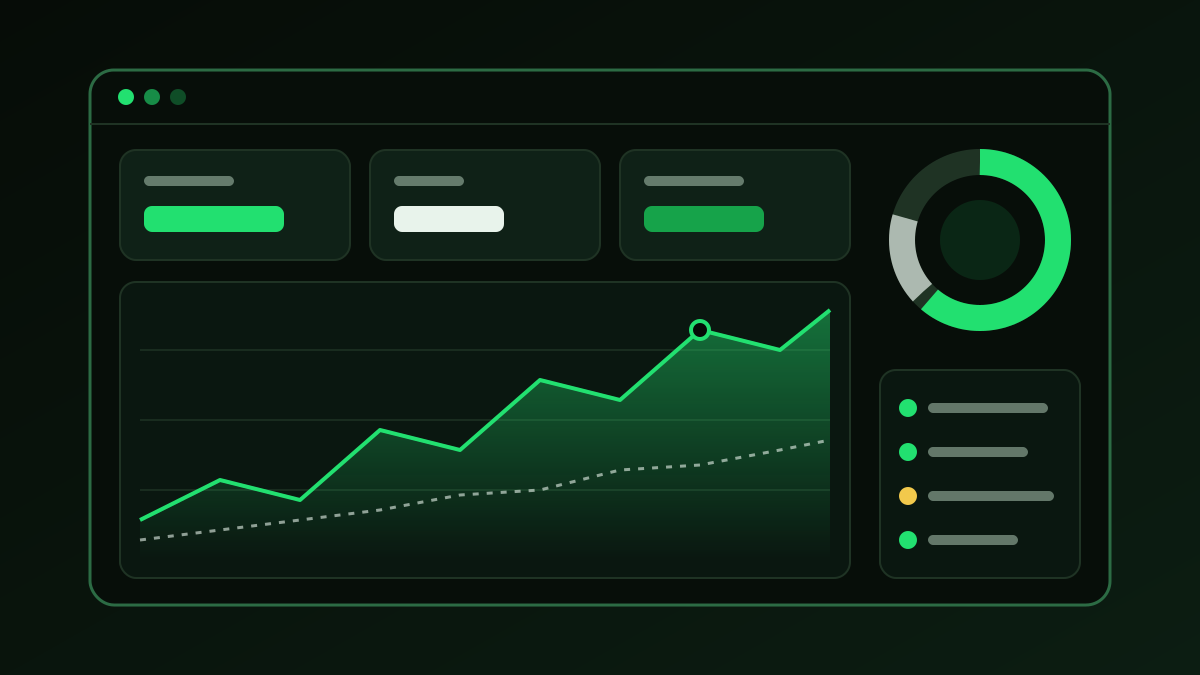
The platform generates a stream of events: registrations, deposits, bets, wins, sessions, support requests. This data is collected in an event streaming bus and a data warehouse and then used in several areas:
- business intelligence — turnover, margin, acquisition cost and player value;
- anti-fraud — detecting bonus abuse, multi-accounting and suspicious payments;
- responsible gaming — models for early detection of risky behaviour;
- regulatory reporting — automatic generation of reports in the formats required by the licence.
Security and certification
Games and random number generators are certified by independent testing laboratories, while the platform itself undergoes security audits and must comply with payment data protection standards. Some jurisdictions require servers or copies of data to be hosted on their territory, which directly affects the architecture.
Conclusion
iGaming technology infrastructure is not a set of separate integrations but an integrated system in which game content, money, data and compliance are tightly intertwined. Operators who build in modularity, reliable APIs and transparent processes at the architecture stage gain faster market entry and partner trust, while players get stable payouts and effective tools to control their own play.